

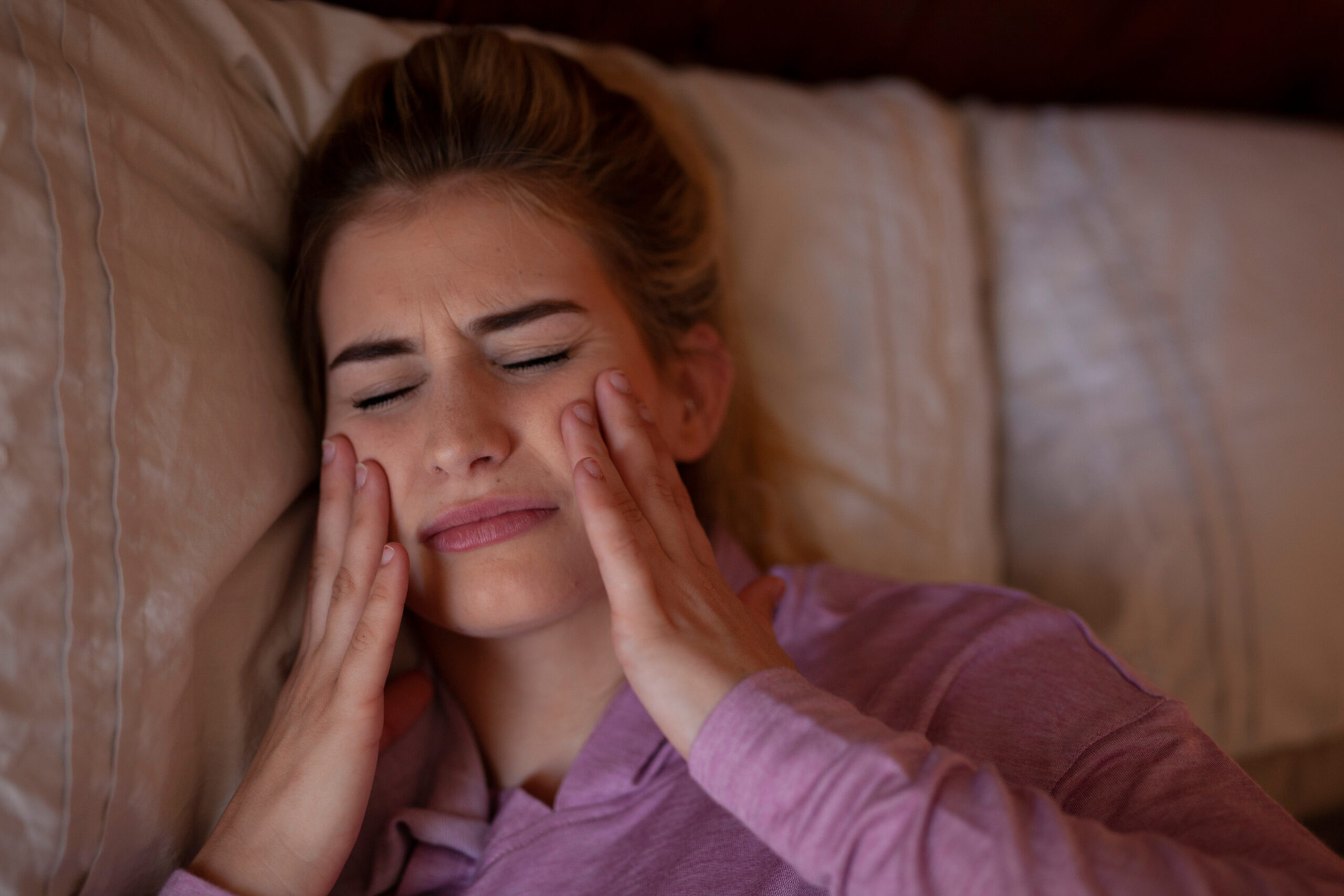
 Headaches, jaw pain, and facial tension can make daily life hard. If these issues keep coming back, they may be linked to a TMJ disorder. At Ritchie Dental Group in Brady and Marble Falls, TX, we help patients find the cause of their discomfort and get real relief through personalized care.
Here’s what you should know:
- Common TMJ symptoms often go beyond jaw pain
- Untreated TMJ issues can affect your teeth and oral health
- Neuromuscular dentistry can help reduce strain and restore comfort
What Is TMJ Disorder?
Temporomandibular Joint (TMJ) disorder significantly impacts daily life, causing chronic jaw pain, headaches, difficulty chewing, and emotional stress, ultimately reducing overall quality of life
The temporomandibular joints, or TMJs, connect your jaw to your skull. These joints help you speak, chew, yawn, and move your mouth with ease. When the joints, muscles, or bite are not working in balance, you may develop temporomandibular disorder, often called TMD.
TMD can have many causes. Teeth grinding, clenching, stress, injury, and bite misalignment can all place pressure on the jaw joints and surrounding muscles. That pressure can lead to pain, stiffness, and wear on your teeth over time.
Signs and Symptoms of TMJ Problems
TMJ disorders do not always feel the same from one person to the next. Some people notice jaw soreness first, while others deal with frequent headaches or ear pain.
Common signs of TMD include:
- Jaw pain or tenderness
- Headaches or migraines
- Clicking or popping in the jaw
- Pain near the ears
- Facial soreness or tight muscles
- Difficulty chewing
- Jaw locking or limited movement
- Neck and shoulder tension
If you’re struggling with more than one of these symptoms, it may be time to have your bite and jaw evaluated.
How TMJ Disorders Affect Oral Health
TMJ problems can do more than cause pain. They can also harm your oral health. When you grind or clench your teeth, the extra force can wear down enamel, chip teeth, and increase tooth sensitivity.
Over time, untreated grinding may lead to uneven tooth wear, cracked teeth, or damage to dental work. Muscle strain and bite problems can also make it harder for your teeth and jaw to function as they should. Protecting your teeth early is one of the best ways to avoid bigger problems later.
How Ritchie Dental Group Can Help
Dr. Greg Ritchie has been practicing dentistry for more than 18 years. Through his advanced training and high level of care, he has earned recognition among his peers and built a reputation for thoughtful, patient-focused treatment.
At Ritchie Dental Group, we use neuromuscular dentistry to look at how your teeth, muscles, and jaw joints work together. This approach helps identify imbalances that may be causing pain and tension. By treating the source of the problem, we can help patients find lasting relief instead of masking symptoms.
Relief With Occlusal Orthotics and Orthodontics
One effective way to prevent tooth damage from grinding teeth is with an occlusal orthotic. This custom oral appliance can reposition your jaw into better alignment, helping relax the muscles and reduce strain on the TMJ. It can also protect your teeth from the effects of clenching and grinding.
If bite misalignment is contributing to your TMD symptoms, Dr. Ritchie may recommend orthodontic treatment. Correcting the bite can improve function, reduce stress on the jaw, and support long-term comfort.
If headaches and jaw pain are affecting your life, don’t ignore the signs. Ritchie Dental Group in Brady and Marble Falls, TX offers experienced, personalized care to help you feel better and protect your smile. Schedule an evaluation to learn if TMJ treatment is right for you.